Empowering Your Journey: Essential Tips for Cancer Care and Survivorship
Navigating the labyrinth of cancer care can feel overwhelmingly daunting, especially for those newly diagnosed. As you embark on this challenging journey, gaining insights from oncology experts can illuminate your path and bring much-needed clarity. They're not just medical professionals; they're trusted allies who can empower you with knowledge and support. If you're in the midst of facing a cancer diagnosis or you’re a loved one seeking information on cancer therapy and survivorship, understanding the nuances of cancer care is crucial. How do we turn fear into understanding? Let’s explore together.
One of the first things every cancer survivor discovers is the plethora of information surrounding their diagnosis—from the latest advancements in cancer research to community resources. It's incredibly vital to sift through this wealth of medical information wisely. Seeking out educational materials, credible health blogs, and reputable health resources can create a strong foundation for your cancer care decisions. An oncologist can be your guiding star in this sea of information, helping you navigate through the complexities of treatment options like chemotherapy, radiation, or targeted therapy. Asking the right questions is key: How does this treatment align with my lifestyle changes? What preventive measures can I integrate into my routine?
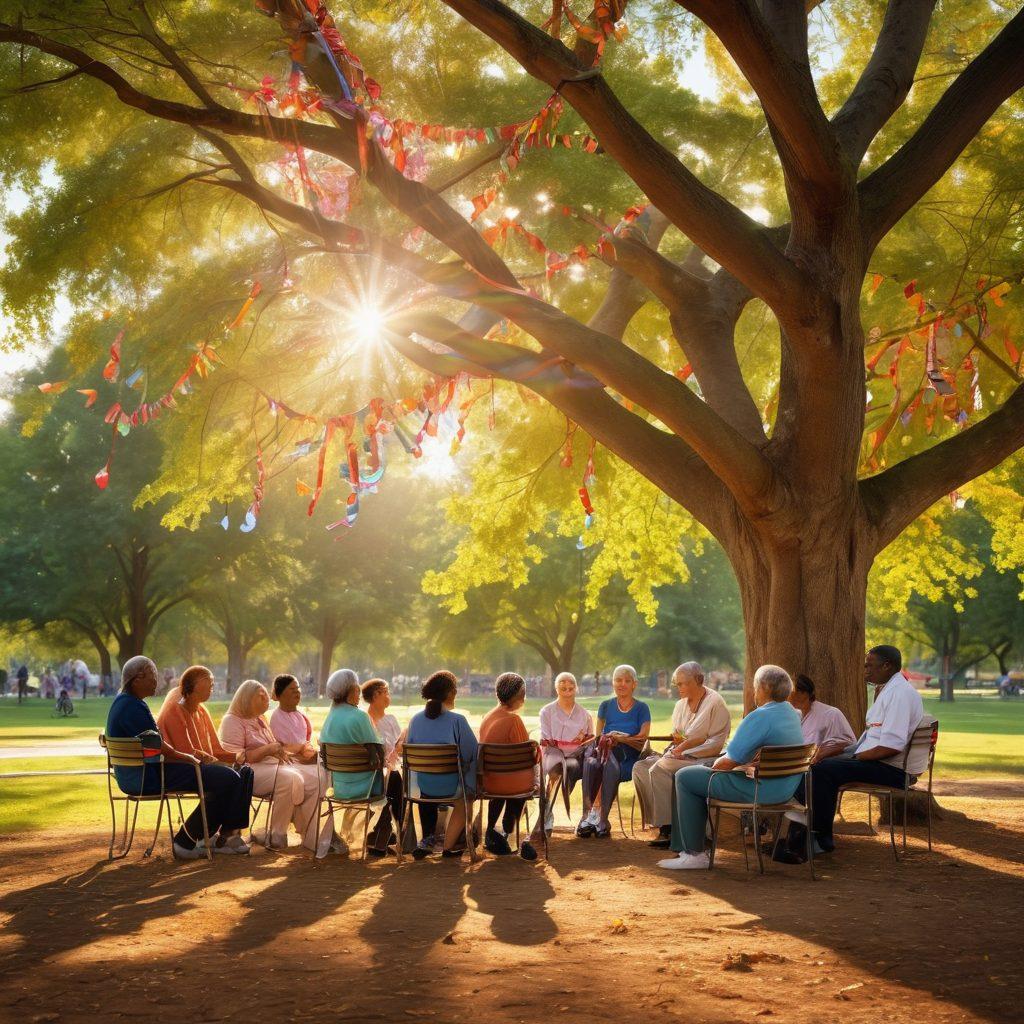
Every cancer survivor has a unique story, and sharing those stories can foster a sense of belonging. Support groups serve as safe havens where you can connect with fellow patients and survivors, shedding light on your experiences while learning from others. There’s a powerful quote by Maya Angelou: ‘I’ve learned that people will forget what you said, people will forget what you did, but people will never forget how you made them feel.’ Within these communities, the emotional bonds formed can significantly improve your mental well-being during cancer treatment. What could sharing your journey mean for someone else?
As the field of oncology continues to evolve, so do the strategies for effective cancer care. Survivorship now emphasizes not just defeating cancer but reclaiming life. Research shows that lifestyle changes—such as adopting a balanced diet, engaging in physical activity, and practicing mindfulness—play a pivotal role in long-term wellness. Remember, it’s not just about the cancer treatment; it’s about your entire well-being. Formulating a holistic health plan is essential, one that aligns with your personal values and promotes resilience. What simple lifestyle change could make a difference in your journey?
In conclusion, navigating the waters of cancer care can become a powerful voyage of self-discovery and empowerment. Through informed decisions, support systems, and a focus on wellness, cancer survivors can transform their experiences. Make the most of your journey by accessing vital health education and reaching out to your patient community. Remember, you are not alone—together, we can raise awareness and enhance the understanding of cancer care. Have you taken the first step towards empowerment yet? The next chapter of your life awaits!
Empower Yourself: Essential Wellness Strategies for Cancer Survivors
Navigating the journey of survivorship after a cancer diagnosis can feel overwhelming—like trying to find your way through a dense forest without a map. But the truth is, every cancer survivor has the power to turn their fears into fuel, transforming this chapter of their lives into one of resilience and empowerment. So, how can you steer your way towards wellness amidst the myriad of cancer therapy options and medical information available? Let’s delve into essential wellness strategies for cancer survivors that can truly make a difference in your journey.
A key component to empowering yourself post-cancer treatment is incorporating lifestyle changes that can enhance your overall well-being. Research consistently highlights the importance of nutrition and physical activity in improving outcomes for cancer survivors. Have you considered how nourishing your body with wholesome foods could impact your recovery? Eating a balanced diet rich in fruits, vegetables, lean proteins, and whole grains can strengthen your immune system and provide the energy needed for your daily activities. Remember, your body is your home, and taking care of it is one of the most profound acts of self-love you can perform.
In addition to nutrition, engaging in regular exercise can elevate your quality of life. Whether it's a gentle yoga session, brisk walking in nature, or joining a local fitness class, find what feels good for you! Picture this: each step or stretch is not just movement; it's a celebration of your strength and a reminder that you are constantly moving forward. Cancer care doesn’t end with treatment; it evolves into adopting habits that enrich your life. So, what are you waiting for? Make a promise to yourself today to take that first step toward a healthier, more vibrant you.
Cancer awareness extends beyond the individual, inviting the support of a community. Joining cancer survivor support groups can be an invaluable resource for sharing experiences and gaining insights from others who have navigated similar paths. Have you ever felt a sense of relief simply from knowing you’re not alone? The patient community can provide emotional support, valuable health tips, and the opportunity to explore health resources together. After all, you’re not just a survivor; you’re part of a larger narrative of resilience, strength, and hope.
Finally, staying informed and educated about your health is paramount in the journey of survivorship. Leverage the wealth of health blogs and research available to empower yourself with knowledge about cancer treatment options, preventive measures, and emerging oncology research. Ask questions during your follow-ups with your oncologist and advocate for your needs. Sharing and discussing medical information can illuminate paths to better health and equip you with the tools necessary for your continued journey. So, how will you take charge of your cancer care today?
Building a Supportive Community: The Importance of Patient Connections in Cancer Care
In the journey of cancer care and survivorship, one of the most profound realizations is that you are not alone. Imagine facing the daunting reality of a cancer diagnosis and feeling the weight of uncertainty pressing down on you. This is where building a supportive community becomes essential—a network of people who understand the intricacies of living with cancer, providing emotional support and practical advice. As the saying goes, 'It takes a village.' This couldn't be truer when navigating the complexities of oncology and cancer treatment.
Support groups and patient connections can serve as lifelines for those grappling with the challenges of cancer therapy. Research shows that social support plays a critical role in enhancing the psychological and emotional well-being of cancer survivors. Whether it's sharing experiences with fellow patients, seeking guidance from an oncologist, or connecting with family and friends, these relationships foster a sense of belonging. Don't underestimate the power of peer support, as it can be instrumental in bolstering resilience and hope during the toughest of times.
Have you ever wondered how other survivors managed to overcome the hurdles of treatment? Engaging with a patient community can provide varying perspectives and valuable insights, allowing you to piece together your unique path toward recovery. Furthermore, educational health blogs and wellness resources dedicated to cancer awareness can arm patients with essential medical information and health tips. Transform your fear into empowerment by seeking out experiences shared by others, and use them to inspire your own journey toward healing.
Actionable steps toward building a supportive network include reaching out to local or online support groups. Many wellness blogs specifically cater to cancer survivors, offering forums where individuals can discuss their struggles and triumphs openly. Remember that it isn’t just about seeking advice; it's also about giving back to others who may be struggling. As you engage with your patient community, you may find that sharing your story not only helps others, but it also cements your own recovery narrative.
Ultimately, understanding the importance of connections in cancer care can lead to improved health outcomes. The social bonds fostered through patient connections can enhance health awareness, encourage preventive measures, and motivate lifestyle changes that promote long-term wellness. Embrace your journey of survivorship with the support of those who truly understand—because together, we are stronger. As you cultivate these invaluable relationships, remember: you are part of something much larger than yourself, and your story matters in the tapestry of cancer research and survivorship.